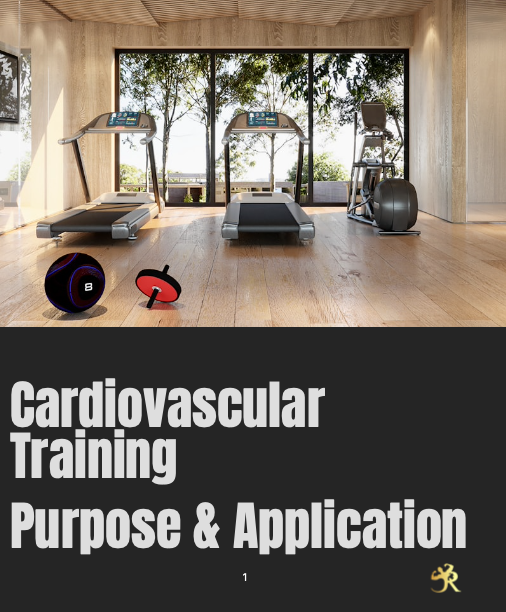
How to Build a Stronger Engine for Energy, Performance, and Long-Term Health
Cardio is not for fat loss.
That’s where most men get it wrong.
Cardio is how you build your engine.
Your heart, lungs, and entire system either support your life—or limit it.
This guide shows you how to train that system properly.
What This E-book Is
A practical, science-backed guide that explains:
- What cardiovascular training actually is
- Why it matters beyond fat loss
- How to apply it correctly for health and performance
As stated early in the guide:
Cardio is about strengthening the heart, lungs, and vascular system for long-term performance—not just burning calories
This is not random cardio advice.
It is a system for building capacity.
What You’ll Learn
- What counts as cardiovascular training (and what doesn’t)
- Why cardio is more than just calorie burning
- How your body adapts to cardiovascular training
- The real benefits:
- Heart and lung efficiency
- Improved oxygen delivery
- Better metabolic health
- Stress reduction
- How to structure cardio based on your goals
- How to use intensity properly with RPE
- The difference between:
- LISS (Low Intensity)
- MIIT (Moderate Intensity)
- HIIT (High Intensity)
The Core Principle: Cardio Builds Capacity, Not Just Calories
From the guide:
Cardio teaches your body to move oxygen, manage energy, and recover efficiently
That means:
- Better endurance
- Faster recovery
- More energy throughout the day
This is why cardio supports:
- Training performance
- Fat loss
- Long-term health
Not because of calories—
but because of system improvement.
What Actually Counts as Cardio
From pages 5–6:
Any activity that:
- Elevates your heart rate
- Is sustained over time
- Challenges your cardiovascular system
Examples include:
- Walking
- Cycling
- Swimming
- Rowing
- Stair climbing
- Assault bike
What matters is not the tool—but the system:
All methods train the same cardiovascular system
Why Cardio Matters (The Real Benefits)
From pages 10–11:
1. Heart & Lung Efficiency
- Stronger heart
- Better oxygen delivery
- Lower resting heart rate
2. Metabolic Health
- Improved blood sugar control
- Better insulin sensitivity
- Reduced disease risk
3. Stress Reduction
- Lower cortisol
- Improved mood
- Better mental clarity
These are not short-term wins.
They are lifetime advantages.
Intensity Matters (RPE System)
From pages 20–21:
Cardio is not just “go hard.”
It is controlled through RPE (Rate of Perceived Exertion):
- 2–3: Very easy (recovery pace)
- 4–5: Comfortable working pace
- 6–7: Challenging but controlled
- 8–9: Very hard
- 10: Max effort
This allows you to:
- Adjust based on energy
- Avoid burnout
- Train consistently
Cardio Zones (The Structure Most People Miss)
From pages 22–23:
LISS (Low Intensity)
- Easy pace
- 30–60+ minutes
- Foundation building
MIIT (Moderate Intensity)
- Intervals
- Sustainable challenge
- Best for most people
HIIT (High Intensity)
- Short bursts
- Very demanding
- Used sparingly
From the guide:
Each zone has a role—overusing high intensity leads to burnout
How to Apply It (Simple System)
From pages 18–19, 26–27:
- Align cardio with your main goal (fat loss, performance, health)
- Use LISS for recovery and base
- Use MIIT as your main driver
- Use HIIT occasionally—not daily
- Avoid stacking high-intensity sessions
- Monitor fatigue, recovery, and performance
The key:
Cardio should support your training—not compete with it
Common Mistakes
From page 24:
- Doing too much cardio
- Using high intensity too often
- Ignoring recovery
- Treating cardio as punishment
The biggest mistake:
More is better
It’s not.
Who This Is For
- Men wanting better energy, endurance, and recovery
- Individuals stuck in fat loss despite effort
- Anyone wanting structured cardio without confusion
- Men building long-term health and performance
Who This Is NOT For
- People chasing quick calorie burn only
- Those ignoring recovery and structure
- Anyone unwilling to train with intention
Bottom Line
“The goal is cardiovascular capacity—not exhaustion.”
Cardio is not punishment.
It is one of the most powerful tools you have.
Use it correctly:
- You perform better
- You recover faster
- You live longer
Format
Digital PDF
28 pages
Estimated read time: 25–35 minutes
Important Disclaimer
Disclaimer:
This e-book is for educational purposes only and does not replace medical advice. Always consult your healthcare professional before making changes to your training, cardiovascular activity, or health routines. Results are not guaranteed. You are fully responsible for your own health decisions.
Copyright & Use Notice
This e-book is protected by copyright. No part of this publication may be copied, shared, reproduced, distributed, or modified in any form without the author’s written permission. Unauthorized use is strictly prohibited.